
May 3, 2024
Holy and Great Friday
Thou hast made us for Thyself, and our hearts are restless until they find their rest in Thee.
Thus begins one of the greatest spiritual classics in Western literature, The Confessions of Blessed Augustine, forth century Bishop of Hippo in northern Africa. But it is more than a classic; it is a preeminent model for repentance. It is the working out of the plea of the Psalmist, “Search me, O God, and know my heart: try me, and know my thoughts: And see if there be any wicked way in me, and lead me in the way everlasting.” (139:23-24)
I have been reading the Confessions for Great Lent since becoming an Orthodox Christian in the mid 90’s. Fr. Seraphim Rose of blessed memory used to say that he could think of no other holy father that spoke more about repentance. Indeed, the Confessions is a kind of road map for the soul, a path of self-reflection whose ultimate audience is the Lord Himself. It brings me to tears more times than I can count, as I reflect on the parallels between the saint’s journey to God and my own. For many theological books talk about God well, but this one talks directly to God. One becomes almost like the priest bearing witness in a life confession to all that the saintly penitent says to God.
And like so many of us on the brink of salvation through repentance, Augustine describes what it is like to be almost ready, but let the smallest trifles keep us from unimaginable joy:
The very toys of toys, and vanities of vanities, my old mistresses, still enthralled me; they shook my fleshly garment, and whispered softly,
Do you part with us? And from that moment shall we no more be with you for ever? And from that moment shall not this or that be lawful for you for ever?And what did they suggest to me in the wordsthis or that?What is it that they suggested, O my God? Let Your mercy avert it from the soul of Your servant. What impurities did they suggest! What shame! And now I far less than half heard them, not openly showing themselves and contradicting me, but muttering, as it were, behind my back, and furtively plucking me as I was departing, to make me look back upon them. Yet they did delay me, so that I hesitated to burst and shake myself free from them, and to leap over whither I was called — an unruly habit saying to me,Do you think you can live without them?
In this state of indecision, he almost breaks. Then in a famous scene, a nearby child sings some ditty that compels him to read a random section of Scripture. The words he reads tips him over the edge of his indecision,
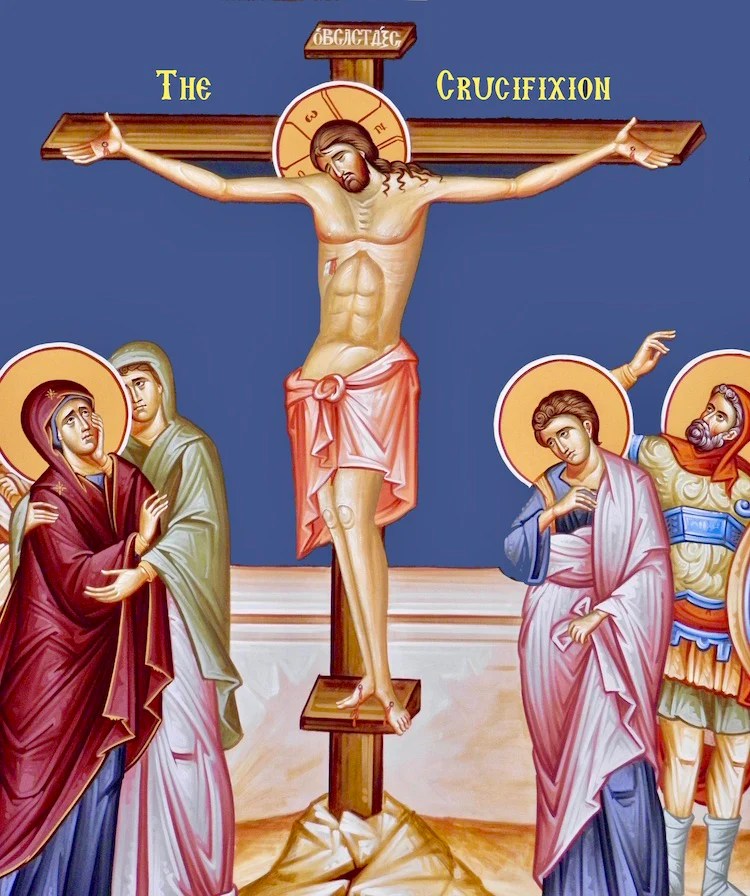
I flung myself down, how, I know not, under a certain fig-tree, giving free course to my tears, and the streams of my eyes gushed out, an acceptable sacrifice unto You. And, not indeed in these words, yet to this effect, spoke I much unto You —
But You, O Lord, how long?How long, Lord? Will You be angry for ever? Oh, remember not against us former iniquities;for I felt that I was enthralled by them. I sent up these sorrowful cries —How long, how long? Tomorrow, and tomorrow? Why not now? Why is there not this hour an end to my uncleanness?
Why not now? As we approach the gates of Paschal Paradise on this solemn memorial of Our Lord’s death on the life-giving cross, let us take this saint’s words to heart. Let us lay aside all earthly care, and receive Him who promised rest for all those weary and heavy laden with sin. Kali Anastasi! Blessings as we approach Our Lord’s resurrection.
 Like Mendicant Monks...